Psychology of Architecture
Summer of 2025
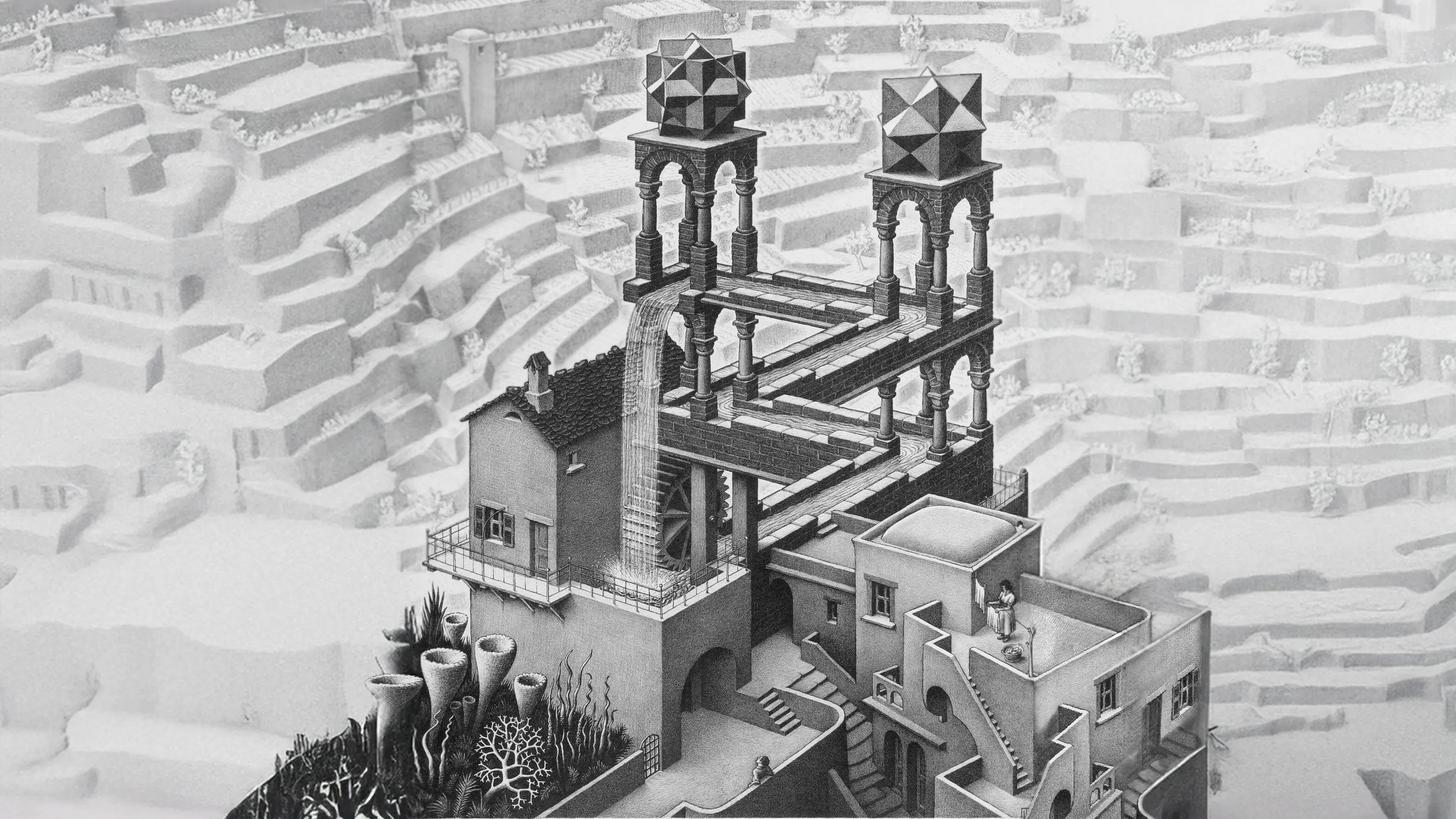
Architecture and Psychology: How Spaces Shape Our Minds and Behavior
In today's rapidly growing urban environments, where life in confined spaces and apartments has become the norm, it is more crucial than ever to understand how architecture and spatial design impact our minds, psychology, and behavior. Architecture and psychology are two disciplines that have formed a deep connection in recent years. This relationship is evident not only in interior design but also in urban planning, the design of public spaces, hospitals, and educational institutions.
This article delves deeply into the effects of architectural spaces on human psychology, the reciprocal relationship between spatial design and mental health, and the necessity of adopting psychological approaches in contemporary architecture.
Environmental Psychology and the Impact of Space on Mind and Emotions
Environmental psychology is a branch of psychology that studies the effects of physical spaces on human behavior and emotions. Research shows that architectural features such as natural light, color schemes, ceiling height, openness, and the materials used in design have a direct impact on mood, productivity, stress levels, and the quality of social interactions.
For example, natural light helps regulate the body's circadian rhythm, improving sleep quality and concentration during the day. Additionally, the presence of green spaces in work or residential environments reduces anxiety and increases a sense of belonging.
Light, Color, and Materials: Three Key Elements in the Psychology of Architecture
Light
Light is one of the most significant elements affecting mental well-being. Spaces with ample natural light generally foster feelings of openness, calm, and positivity. In contrast, dark, poorly lit spaces can lead to depression and anxiety.Color
Color psychology indicates that each color evokes specific emotional responses. For instance, blue enhances calmness and focus, while red may increase heart rate and excite the mind. Therapeutic spaces often use soft colors like green and blue to promote tranquility.Materials
Using natural materials like wood and stone enhances the connection with nature and can effectively reduce stress. In contrast, synthetic or overly polished materials may evoke feelings of coldness and detachment.
Healing Architecture: Designing Spaces to Improve Mental Health
Healing Architecture is a modern architectural trend focused on creating spaces that aid in mental and physical healing. In this approach, architects deeply understand human psychology to design spaces that reduce stress, accelerate recovery, and foster a sense of peace.
For example, hospitals designed with large windows, natural light, views of green spaces, and walking paths have been shown to speed up patient recovery and reduce the need for antidepressants.
Urban Planning and Mental Health: The Role of Urban Spaces in Psychological Well-being
Cities are not just places of residence but also venues for social interaction, daily activities, and the formation of personal identity. Poor urban design—characterized by high density, a lack of green spaces, heavy traffic, and air pollution—can increase anxiety, depression, and reduce quality of life.
Conversely, cities designed for walkability, with extensive green spaces, bike lanes, and social interaction areas, have significantly improved the mental health of their residents. Cities like Copenhagen and Amsterdam are exemplary models of such urban planning.
Interior Spaces and Their Impact on Productivity and Mental Health
In the post-pandemic era where remote work has become more common, the design of home interiors plays a crucial role in mental health. Workspaces with natural light, proper ventilation, and ergonomic arrangements enhance productivity and prevent mental fatigue.
Additionally, flexible spaces that allow users to adapt the layout and functionality to their changing needs help individuals maintain comfort and focus.
Psychology of Educational Spaces and Children's Cognitive Development
Schools and educational environments should be designed to foster creativity, curiosity, and social interaction. Open spaces, natural light, warm colors, and dedicated areas for rest and play make learning processes more engaging and effective.
Research shows that school architecture affects academic success and mental health. For instance, children studying in bright, open educational spaces are less likely to experience anxiety and hyperactivity.
Biophilic Design: Returning to Nature in Contemporary Architecture
Biophilic Design is an architectural approach aimed at creating direct and indirect connections with nature within built environments. This method incorporates natural elements such as plants, natural light, nature sounds, and organic materials to improve mental well-being.
Biophilic spaces have been proven to reduce stress, enhance concentration, and increase satisfaction with the environment. Today, many major tech companies design their offices inspired by nature to make employees happier and more creative.
Conclusion: Future Architects as Silent Psychologists
Given the profound and proven impact of architecture on mental health, future architects must act as silent psychologists—professionals who deeply understand human psychological needs to create spaces that are not only functional but also foster a sense of well-being.
From residential homes to hospitals, schools, and urban spaces, all should be designed with a human-centered approach. This is where architecture and psychology fundamentally intertwine to shape a more humane and healthier future.
Sources:
Ulrich, R.S. (1984). View through a window may influence recovery from surgery. Science.
Kellert, S.R., Heerwagen, J.H., & Mador, M.L. (2008). Biophilic Design: The Theory, Science and Practice of Bringing Buildings to Life.
Evans, G.W. (2003). The built environment and mental health. Journal of Urban Health.